Tree pruning in Gipsy Hill
If you are looking for Tree pruning in Gipsy Hill, you may already know that the right pruning makes a noticeable difference to the safety, appearance, and long-term health of your trees. In a built-up part of South London like Gipsy Hill, where homes, gardens, pavements, boundary walls, and shared access routes sit close together, careful pruning is often more than a cosmetic job. It can help create space, reduce nuisance growth, improve light, and keep trees in a condition that suits both the property and the surrounding environment.
Our local tree pruning service is designed for homeowners, landlords, letting agents, property managers, schools, small businesses, and community premises across Gipsy Hill and nearby areas. Whether you need a light tidy-up, crown thinning, deadwood removal, or a more considered reduction to manage a mature tree, the aim is always the same: pruning that is sensible, proportionate, and carried out with care.
Many customers call us when a tree has become too dense, is blocking daylight, is brushing against a roof or fence, or is starting to look unbalanced after several seasons of growth. Others simply want regular maintenance so that a tree remains healthy and well-shaped rather than waiting until a bigger problem develops. If that sounds familiar, contact us today to discuss the best approach for your tree and your property.
Why tree pruning matters in Gipsy Hill
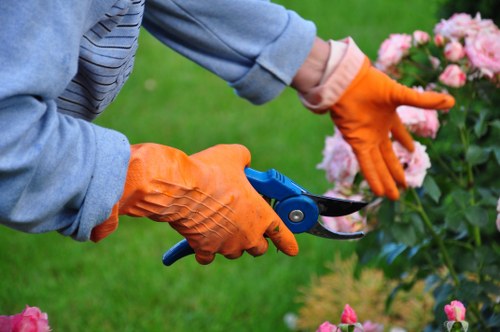
Tree pruning is one of the most effective ways to manage trees in residential streets and mixed-use areas around Gipsy Hill, West Dulwich, Crystal Palace, Norwood, and the surrounding neighbourhoods. The local landscape includes Victorian and Edwardian terraces, semi-detached homes, maisonettes, school grounds, small commercial units, and communal gardens. In these settings, trees often grow close to buildings, overhead lines, footpaths, and neighbouring plots, so even routine growth can start to affect day-to-day living.
Pruning helps by removing unwanted, crossing, dead, or poorly positioned branches before they create larger issues. A well-pruned tree can let in more natural light, improve airflow through the canopy, and reduce the weight on limbs that might otherwise become vulnerable in stronger winds. It can also help maintain clearance over driveways, access routes, shopfronts, private gardens, and shared spaces where people walk or park.
For many local customers, the key benefit is practical control. A tree does not need to be heavily cut back to make it manageable; often the right level of selective pruning is enough. That balanced approach is especially important in streets where trees contribute to character and privacy. Careful pruning protects those benefits while keeping the tree workable for the property.
Common reasons customers request pruning
- Branches touching roofs, gutters, fences, walls, or windows
- Canopies blocking light into homes, gardens, or commercial entrances
- Deadwood or damaged limbs needing removal
- Overextended branches creating imbalance or strain
- Trees growing too close to neighbouring boundaries
- Routine maintenance to keep trees neat and healthy
What is included in a tree pruning service
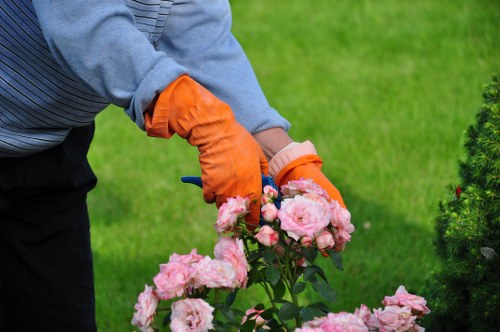
Every tree is different, so a proper pruning service starts with a close look at species, size, condition, location, and the customer’s aims. A young ornamental tree in a front garden will need a different approach from a mature tree beside a rear boundary or a canopy shading a shared driveway. The work should be tailored, not rushed.
Tree pruning in Gipsy Hill may include one or more of the following tasks, depending on what the tree needs and what the space allows. The objective is to improve structure, maintain safety, and preserve the tree’s natural shape wherever possible.
- Crown thinning to reduce density and allow more light and air through the canopy
- Crown lifting to raise lower branches and improve clearance for access, mowing, or parking
- Deadwood removal to take away dead, broken, or hanging branches
- Selective reduction to reduce the length of specific limbs and rebalance growth
- Formative pruning for younger trees to encourage a strong structure early on
- Targeted cuts around buildings where branches are affecting roofs, gutters, or adjoining structures
Good pruning is not about cutting as much as possible. It is about making the right cuts in the right places at the right time. That is why a local, experienced team matters: they understand both the tree species and the real-world conditions of nearby homes, gardens, and access points.
What you can expect on the day
Depending on the size and position of the tree, the work may be carried out from the ground, using ladders, or with specialist access equipment when suitable and safe. The team will usually assess the tree first, confirm the intended pruning method, and then work carefully to protect nearby plants, surfaces, and structures. Branches and arisings are collected and cleared away unless you have arranged otherwise.
How our pruning process works
For customers arranging tree pruning Gipsy Hill services, it helps to know how the job is normally handled from start to finish. A clear process keeps things efficient and reduces disruption, especially where parking is tight, gardens are narrow, or access is shared with neighbours. Local knowledge is useful here because many properties in the area have side access limits, rear garden restrictions, or limited on-street parking.
The first stage is a site visit or discussion about the tree, its location, and your goals. Some customers already know the problem: too much shade, branches overhanging a roof, a tree encroaching on the neighbour’s side, or general overgrowth after a season of fast growth. Others just know the tree feels too big or untidy and want professional advice before making a decision.
Once the tree has been assessed, a suitable pruning approach is recommended. Where relevant, this will take into account the species, season, previous pruning history, and any signs of stress or disease. The work is then scheduled with attention to practical details such as access, nearby vehicles, and how to keep disruption low for residents or business users.
The usual step-by-step approach
- Initial assessment of the tree and surrounding area
- Discussion of the customer’s priorities and any concerns
- Selection of the correct pruning method
- Careful removal of selected branches and deadwood
- Final tidy-up, clearance of debris, and leaving the area neat
Book your service now if you want your tree looked at before the next season of growth makes the job more complicated. A timely prune can often prevent a much larger intervention later on.
Local knowledge really helps in Gipsy Hill

Tree work in Gipsy Hill and the surrounding parts of Lambeth and South London is rarely just about the tree itself. It is also about the setting. Older homes may have mature trees planted decades ago, while newer developments may have limited planting space and trees that need regular shaping to stay within boundary lines. Some streets have awkward parking arrangements, narrow front gardens, or rear access only via a passageway or shared alley, which can affect how the work is planned.
That is why local experience is valuable. A team familiar with the area is more likely to understand how to work around tight entrances, protect neighbouring properties, and organise the job so it runs smoothly. This can be especially important for larger pruning projects, commercial sites, or properties where access equipment needs careful positioning.
Local customers also tend to want a service that respects both the tree and the neighbourhood. In established residential streets, trees often contribute to privacy, biodiversity, and the character of the area. Good pruning helps maintain those benefits while avoiding overgrown canopies, poor branch structure, or nuisance growth that affects the people living and working nearby.
Typical local settings we work around
- Front gardens with limited working space
- Rear gardens with side access only
- Communal courtyards and shared entrances
- School grounds and managed green spaces
- Retail, office, and hospitality premises needing tidy outdoor areas
If your property has tricky access, mention it early. That helps plan the right equipment, the right workforce, and the right approach before the job begins.
Benefits of regular pruning for residential and commercial customers
Routine pruning can offer long-lasting benefits for both domestic and commercial properties. In a residential setting, it can improve the view from windows, increase daylight into rooms and gardens, and make outdoor spaces feel more usable. It can also help reduce the amount of leaf litter or debris falling into gutters and paved areas, especially where branches are overhanging roofs and hard surfaces.
For commercial customers, pruning can help present a tidier, safer, and more approachable exterior. Trees around shopfronts, car parks, access roads, schools, or business entrances can create a positive impression when maintained properly. They can also improve visibility, preserve access, and reduce the risk of branches interfering with daily use of the site.
Another benefit is tree health. When pruning is done correctly, it can remove damaged or competing growth and encourage better structure. That can reduce future problems and help a tree respond more naturally to wind, seasonal growth, and the pressures of its environment. Pruning is often preventative care, not just a reactive fix.
Practical benefits customers often notice
- More light reaching windows, patios, and gardens
- Clearer routes for pedestrians, vehicles, and maintenance access
- Reduced rubbing or contact with nearby structures
- Better-looking trees with a more balanced shape
- Less stress on long, heavy, or crowded branches
If you are weighing up whether to prune now or leave the tree until later, it is often worth getting advice sooner rather than later. Request a free quote and we can help you decide what level of work is sensible for the tree and the site.
Signs your tree may need pruning
Some trees make their needs obvious, while others quietly become a problem over time. A branch may not look alarming at first, but if it is growing toward a roofline, hanging low over a drive, or crossing another limb, it can become harder to manage later. Recognising the warning signs early can help you avoid more disruptive work.
Common signs include branches scraping surfaces in the wind, a canopy that has become too dense for daylight to pass through, dead or broken limbs after bad weather, and growth that is starting to encroach on neighbouring land. Sometimes the issue is simply appearance: the tree has become too bulky or uneven, and the property is beginning to look untidy as a result.
It is also worth considering seasonal changes. Some trees grow vigorously in spring and summer, while others show problems after leaf drop, when the structure becomes easier to inspect. A local tree pruning team can advise whether immediate work is needed or whether a less intrusive seasonal trim would be more suitable.
Watch out for these warning signs
- Dead branches in the canopy
- Low limbs blocking paths or driveways
- Branches touching the roof, windows, or gutters
- Noticeably uneven weight on one side of the tree
- Dense growth preventing light and airflow
- Repeated overhang into neighbouring areas
What affects the cost of tree pruning
Many customers want an idea of what influences pricing before they commit. While exact prices depend on the job, there are several factors that typically affect the overall cost of pruning in Gipsy Hill. Understanding these factors makes it easier to compare quotes and choose the right service for your needs.
Tree size is one of the biggest considerations. A small ornamental tree in a front garden is usually simpler to prune than a large mature tree with extensive branching or restricted access. Height, canopy spread, and the amount of material to be removed all play a role. The species also matters, because some trees respond better to certain pruning methods than others.
Access is another important factor. If the tree is in a rear garden with narrow side access, close to parked cars, or beside a fence or wall, the work may take longer and require more careful handling. The condition of the tree matters too; damaged, diseased, or previously poorly pruned trees may need a more cautious approach to avoid causing further stress.
Key pricing factors to keep in mind
- Tree height and spread
- Location and ease of access
- Amount of pruning required
- Need for specialist equipment
- Disposal and clearance of cut material
- Complexity created by nearby buildings or services
When you ask for a quote, it is helpful to explain the tree’s position, whether access is shared, and what you want the pruning to achieve. That makes the assessment more accurate and helps avoid unnecessary work.
Why choose a local tree pruning company
Choosing a local team for tree pruning in Gipsy Hill offers practical advantages that customers often notice straight away. A local company is usually better placed to respond quickly, plan around local access conditions, and recommend pruning that makes sense for the tree species commonly found in the area. That matters when you want the work done properly, not just quickly.
Local crews are also more likely to understand the expectations of the neighbourhood. In places where gardens are close together and properties share boundaries, considerate working is essential. The right team will protect nearby planting, keep disturbance to a minimum, and leave the site tidy so the job feels well managed from start to finish.
There is also value in continuity. If you need ongoing maintenance, it helps to work with a company that can revisit a tree in future and understand its history. That can lead to better decisions over time, especially for mature trees that need regular care rather than major interventions.
What local customers often appreciate
- Better understanding of tight access and parking limitations
- Practical advice for local tree species and garden layouts
- Flexible service for homes, landlords, and businesses
- Cleaner, more considerate work around neighbours and shared spaces
- Support for one-off pruning or ongoing maintenance
Contact us today if you want a local pruning service that takes the setting seriously, not just the tree in isolation.
Areas covered around Gipsy Hill
Our pruning services are available across Gipsy Hill and nearby parts of South London. Customers often live or work in neighbouring areas where mature trees, smaller gardens, and busy residential streets create similar practical challenges. Being able to cover the local area helps with response times and means the team can plan work with the realities of the neighbourhood in mind.
We regularly help customers in and around West Dulwich, Crystal Palace, Norwood, Tulse Hill, Dulwich, Streatham, and nearby locations. If your property sits close to one of these areas but is not listed here, it is still worth asking. Local tree work often depends more on access and tree type than on a strict boundary line.
Residential and commercial customers both benefit from having a team that knows how to adapt. A small townhouse garden, a communal block entrance, and a business frontage all need different handling, even when they are only a short distance apart. The key is to match the pruning method to the tree and the site.
Suitable for
- Private homes and gardens
- Rental properties and managed blocks
- Schools and nurseries
- Offices and local businesses
- Community and faith premises
- Shared gardens and communal spaces
Preparing for your tree pruning appointment
A little preparation helps the work run smoothly and can reduce the time needed on site. You do not need to do anything complicated, but clearing a few areas and sharing any relevant information in advance can make a real difference. This is especially useful where access is tight or where there are vehicles, bins, garden furniture, or fragile plants near the tree.
If possible, make sure the area around the tree is as accessible as practical on the day of the work. That may mean moving a car, opening a side gate, or letting neighbours know if branches overhang shared spaces. If you have concerns about roots, nearby structures, wildlife, or previous pruning work, mention these early so they can be considered before the job begins.
Here is a simple checklist that many customers find helpful before a pruning visit:
- Clear access to the tree where possible
- Move vehicles if branches may need to be lowered safely
- Remove items from the immediate work area
- Point out any known issues such as dead limbs or previous damage
- Share any restrictions related to neighbours, tenants, or shared areas
Good preparation is not essential, but it helps the team work efficiently and protects your property during the job.
Frequently asked questions
Customers often have similar questions before booking tree pruning, especially if they are unsure how much work is needed or whether a tree should be reduced, thinned, or simply tidied. Below are some of the questions we hear most often from local property owners.
How do I know if my tree needs pruning or removal?
Pruning is usually the first option when the tree is healthy but overgrown, unbalanced, or interfering with its surroundings. Removal is generally considered when a tree is unsafe, severely damaged, or unsuitable for the location. An assessment can help determine which option is more appropriate.
Will pruning damage my tree?
When carried out correctly, pruning should support the tree rather than harm it. The key is to avoid excessive cutting and to make clean, well-placed cuts that suit the species and condition of the tree. Poor pruning can create stress, which is why professional technique matters.
Can pruning help with light into my home?
Yes, selective pruning and crown thinning can make a noticeable difference to daylight levels. Many customers choose pruning for this reason, especially where trees have become dense near windows, patios, or small gardens.
Do you work on trees near boundaries or overhanging neighbours?
Yes, pruning often involves boundary-sensitive work. It is important to plan carefully, respect property lines, and handle overhanging branches in a considerate way. If the tree affects a neighbour’s side as well, it may be sensible to coordinate the work.
How often should trees be pruned?
That depends on the tree species, its age, and where it is growing. Some trees need attention every few years, while others may only need light maintenance from time to time. A local assessment can help set a sensible schedule.
Can you help with urgent pruning after bad weather?
Yes, if a tree has broken branches, hanging limbs, or dangerous contact with buildings after wind or storm damage, it should be assessed as soon as possible. Safety is the priority in those situations.
Book your service now if you want a local team to look at the tree, explain the options, and carry out the pruning in a tidy, sensible way.
Choosing the right time for pruning
Timing can matter, especially for mature trees or species that respond better at particular points in the year. Some pruning is best done during dormant periods, while other work can be carried out when the tree is actively growing. The right season depends on the tree, the desired outcome, and whether the aim is to improve safety, appearance, or structure.
In urban and suburban settings like Gipsy Hill, many customers choose pruning when growth begins to affect light, access, or neighbouring properties. That can happen at any time of year. If the tree is creating a nuisance or a safety concern, it is worth arranging an assessment rather than waiting for a more convenient season that may never come.
Local advice is useful because different trees behave differently. A professional can help you choose between a light trim, selective crown work, or a more measured reduction, depending on the tree’s condition and what you want it to achieve in the space.
Final thought for local customers
Tree pruning in Gipsy Hill is best done with a balance of care, practicality, and respect for the setting. If you want safer access, better light, a tidier garden, or healthier growth, a professional pruning service can make that happen without unnecessary disruption. Request a free quote today and get your tree looked at by a local team who understands the area.